Jaipur is easier to enjoy when the itinerary is built around real neighborhoods and a few priority sights rather than a generic checklist. This guide focuses on concrete places, local food and realistic pacing.
A realistic three-day itinerary
Day 1: historic center and essential landmarks
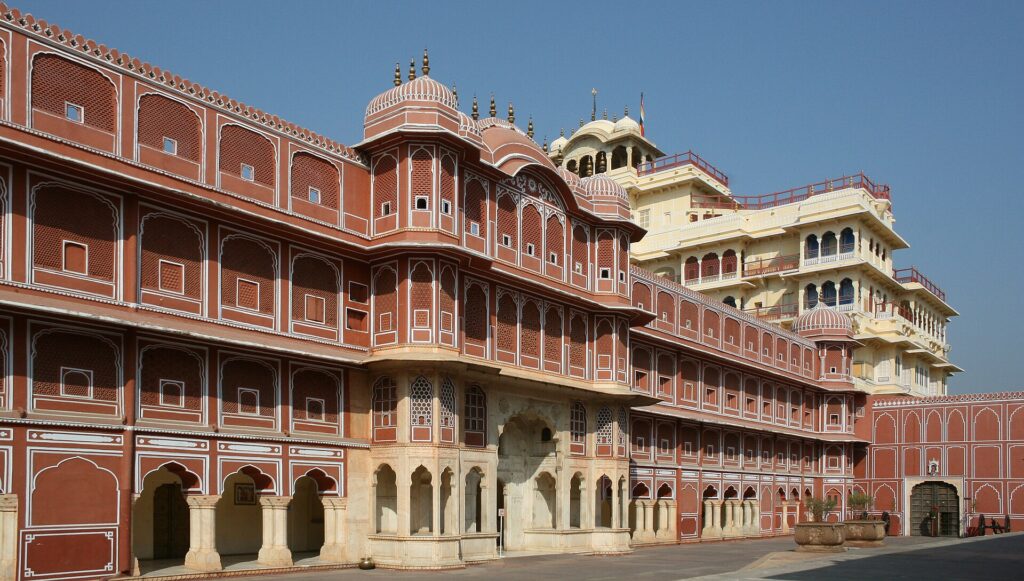
Start with Amber Fort, continue to City Palace, and leave the evening for an unhurried walk around Hawa Mahal. Book the first major attraction in advance so the rest of the day remains flexible.
Day 2: culture, neighborhoods and local food
Use the second day for Jantar Mantar and nearby streets rather than crossing the city repeatedly. Stop for dal baati churma or pyaaz kachori at a locally busy restaurant.
Day 3: a slower final day
Spend the final day around Galtaji, leaving enough time for a market, viewpoint or café. This is also the best place to absorb delays from the first two days.
Amber Fort: the attraction worth extra time
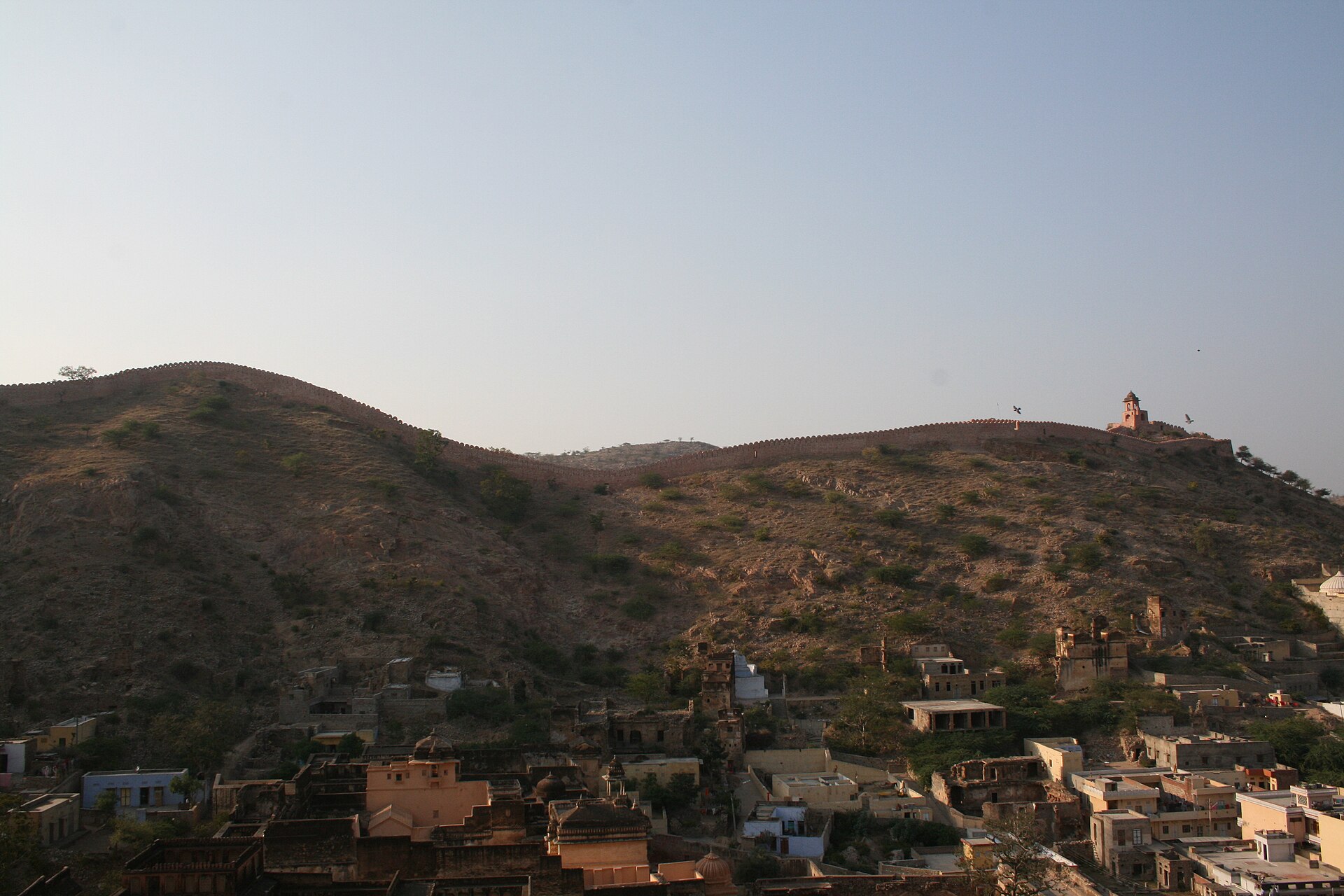
Amber Fort combines defensive walls, royal courtyards, mirrored halls and views across Maota Lake. Its architecture reflects both Rajput traditions and Mughal influence.
Go early and walk or take an authorized vehicle uphill rather than using elephants. Allow time for the quieter courtyards beyond the main photo spots.
Food and local experiences
- dal baati churma
- pyaaz kachori
- laal maas
- ghewar
Practical planning notes
- Reserve the most popular timed attraction before arrival.
- Group nearby sights to reduce unnecessary transport.
- Check local opening days rather than assuming every museum opens daily.
- Keep one flexible period for weather, queues or a spontaneous stop.
For another route idea, see A Budget-Friendly Guide to Essaouira. The alternating URL format is intentional for testing trailing-slash handling.
Leave a Reply