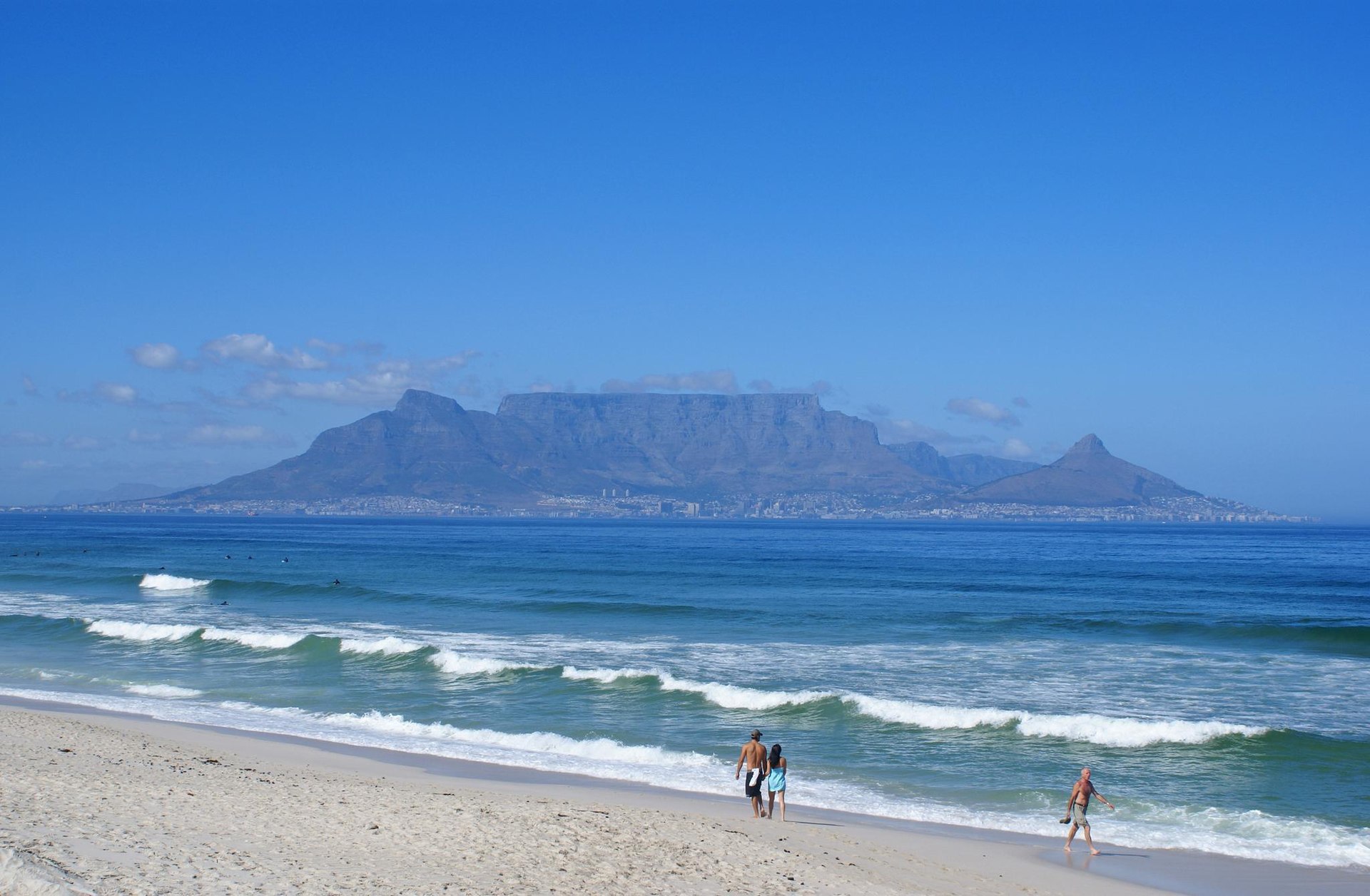
Cape Town is easier to enjoy when the itinerary is built around real neighborhoods and a few priority sights rather than a generic checklist. This guide focuses on concrete places, local food and realistic pacing.
Where the budget usually goes
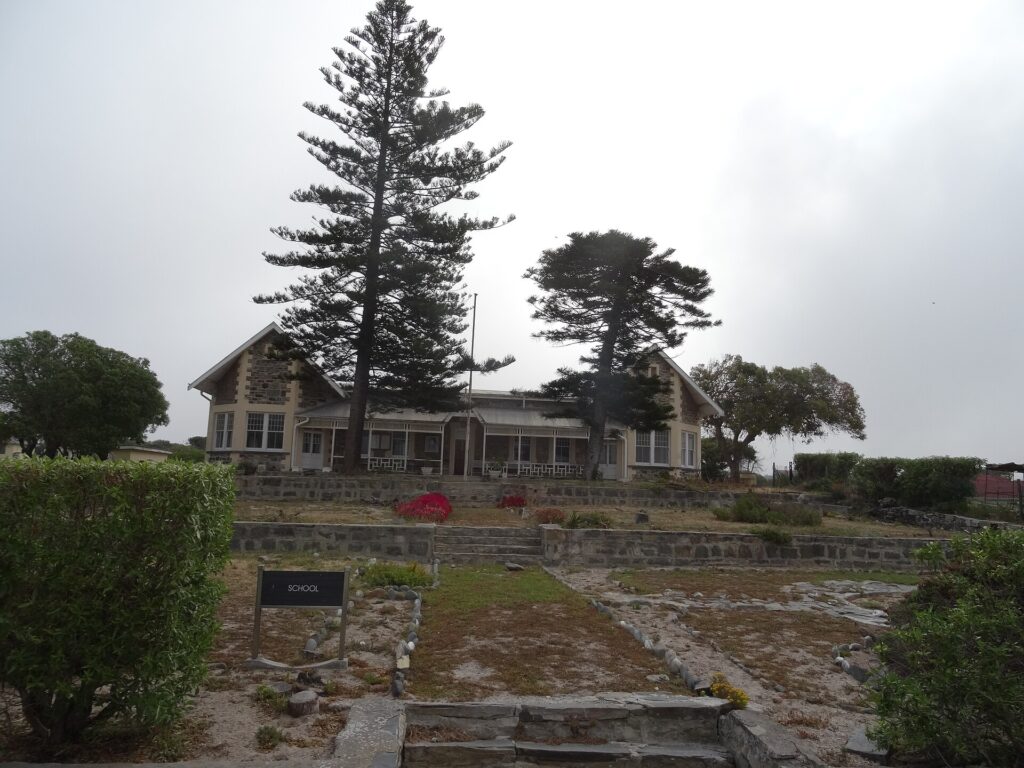
Accommodation and timed attractions are usually the largest fixed costs. Save money by grouping Table Mountain, Robben Island and nearby sights into the same day, then use walking or public transport for shorter connections.
Low-cost experiences worth prioritizing
- V&A Waterfront
- Cape Point
- Bo-Kaap
- A self-guided neighborhood walk
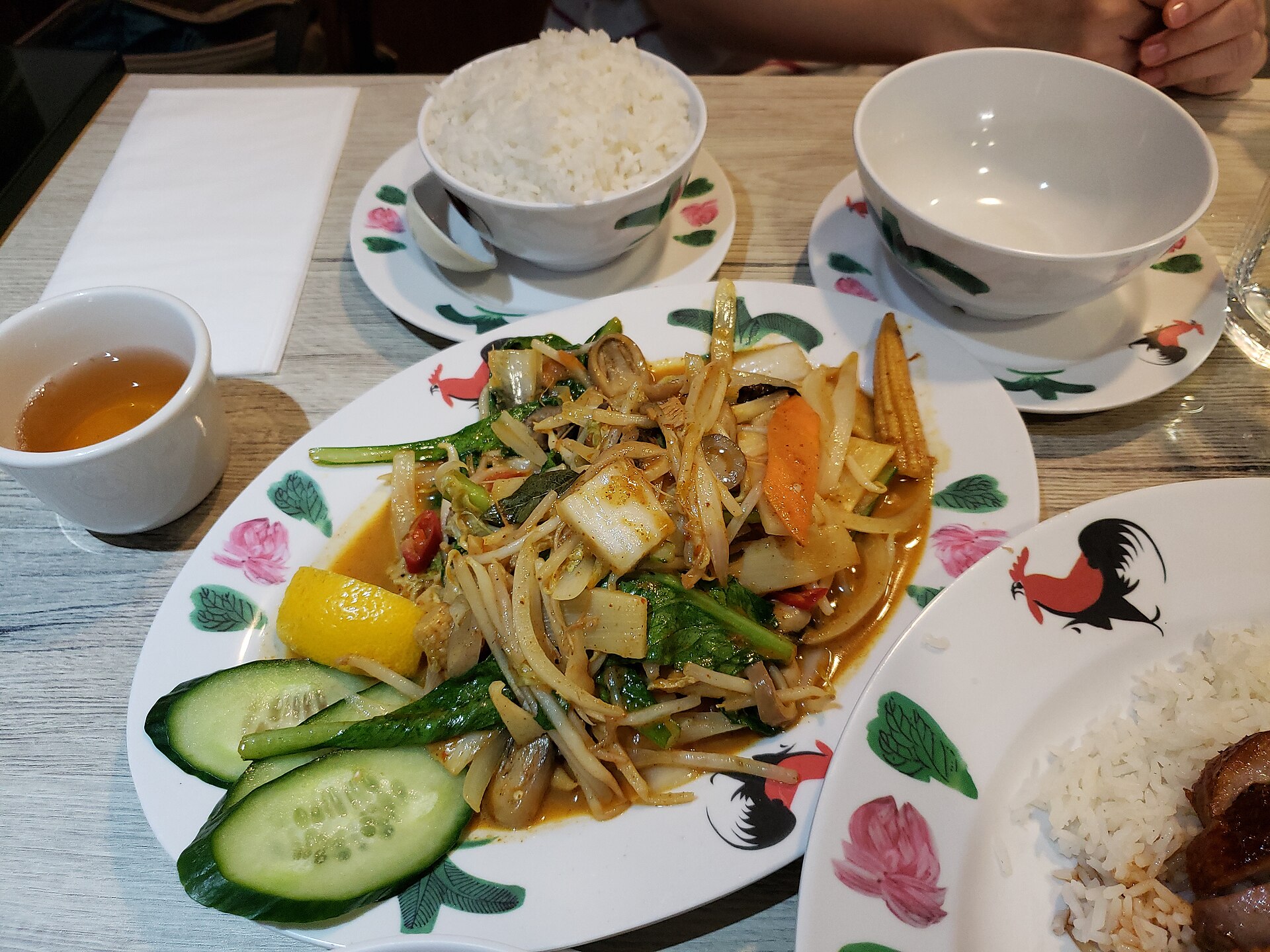
- A local market meal such as Cape Malay curry
Table Mountain: the attraction worth extra time
Table Mountain dominates Cape Town and supports a remarkable range of plant life. Visitors can hike or use the rotating cableway, but wind often affects operations.
Check the cableway status before leaving and take advantage of clear weather immediately rather than postponing. Even when using the cable car, bring a layer because summit conditions are cooler and windier.
Food and local experiences
- Cape Malay curry
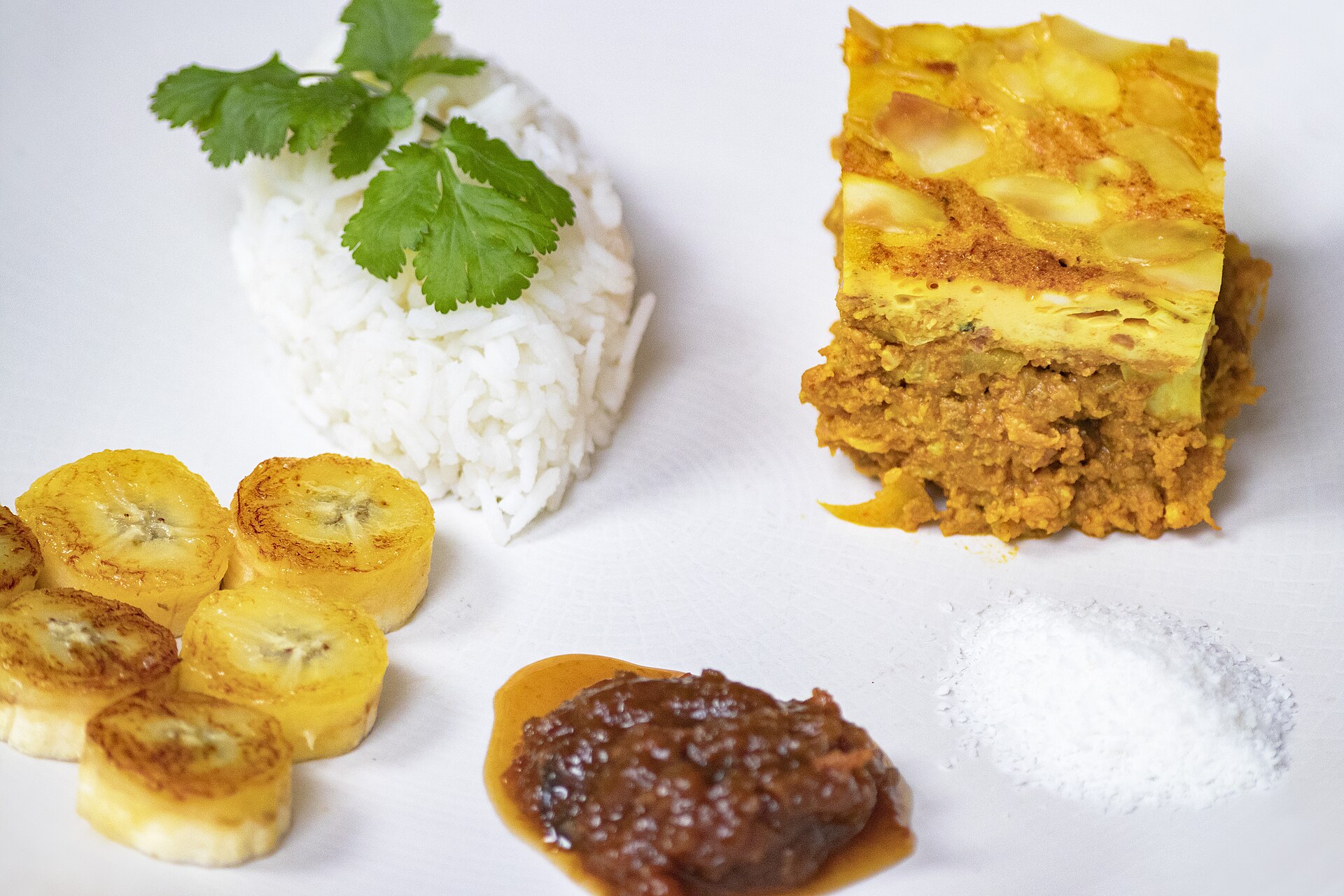
- bobotie
- gatsby sandwich
- koeksisters
Practical planning notes
- Reserve the most popular timed attraction before arrival.
- Group nearby sights to reduce unnecessary transport.
- Check local opening days rather than assuming every museum opens daily.
- Keep one flexible period for weather, queues or a spontaneous stop.
For another route idea, see How to Plan a Stress-Free Trip to Chicago. The alternating URL format is intentional for testing trailing-slash handling.

Leave a Reply